Ambient Storage in Saudi Arabia: 2026 Buyer Guide
Ambient Storage in Saudi Arabia is the workhorse of modern supply chains, yet it is often misunderstood as “just a normal warehouse.” In reality, holding goods at a controlled room temperature in a country where outdoor heat regularly exceeds 45°C takes real engineering. This 2026 buyer guide explains what ambient warehousing is, which products belong in it, and how to choose a facility that keeps your stock safe without paying for cooling you do not need.
As Vision 2030 drives e-commerce, retail, and manufacturing growth, demand for smart, well-located Ambient Storage in Saudi Arabia keeps rising across Riyadh, Jeddah, and Dammam. Getting the basics right protects your margins and your reputation.
What is ambient storage?
Ambient storage keeps products at a stable, moderate temperature, typically between 15°C and 25°C, without refrigeration or freezing. The goal is a consistent “room temperature” environment that shields goods from the extreme heat and humidity swings outside.
Unlike a basic shed, a professional ambient warehouse manages ventilation, insulation, and humidity so that products neither overheat nor absorb moisture. That stability is exactly what most dry and shelf-stable goods need.
Choosing the right Ambient Storage in Saudi Arabia means matching the facility’s controls to your product’s tolerance, so nothing degrades between delivery and dispatch.
Which products suit ambient conditions?
A huge share of everyday commerce moves through ambient warehousing. Common categories include:
- Packaged and canned food with long shelf lives
- Beverages, bottled water, and shelf-stable drinks
- Household goods, cleaning products, and toiletries
- Textiles, apparel, and footwear
- Electronics, appliances, and consumer gadgets
- Stationery, packaging materials, and general retail stock
For goods that are especially moisture-sensitive, pairing ambient space with dedicated Dry Storage solutions in Saudi Arabia adds a further layer of humidity control, which matters for grains, powders, paper, and packaged dry foods.
Ambient vs chilled vs frozen: a quick comparison
Understanding where ambient fits helps you avoid overspending on cooling or, worse, under-protecting fragile goods.
| Storage type | Typical range | Best for | Relative cost |
|---|---|---|---|
| Ambient | 15–25°C | Dry, canned, packaged goods | Lowest |
| Chilled | 0–8°C | Dairy, produce, fresh food | Medium |
| Frozen | -18°C or below | Meat, seafood, ice cream | Highest |
Most catalogues are a mix. A smart operator splits stock across zones so each SKU sits in the cheapest environment that still keeps it safe.
How to choose an ambient warehouse
Location, controls, and systems matter more than raw square metres. Use this checklist when you tour a site:
- Climate control: Confirm insulation, ventilation, and humidity management, not just a roof and walls.
- Location: Proximity to ports, highways, and your customer base cuts delivery time and cost.
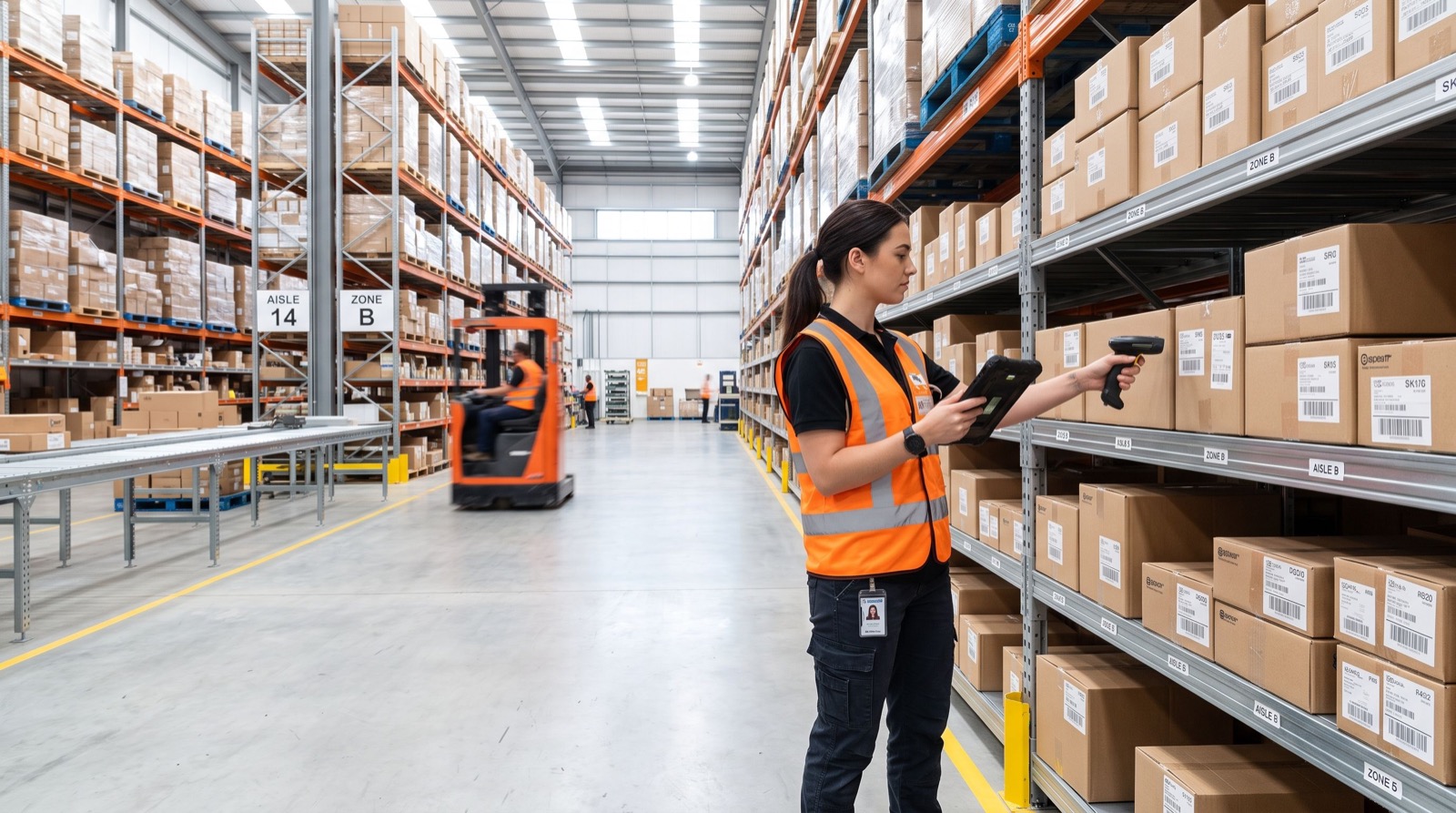
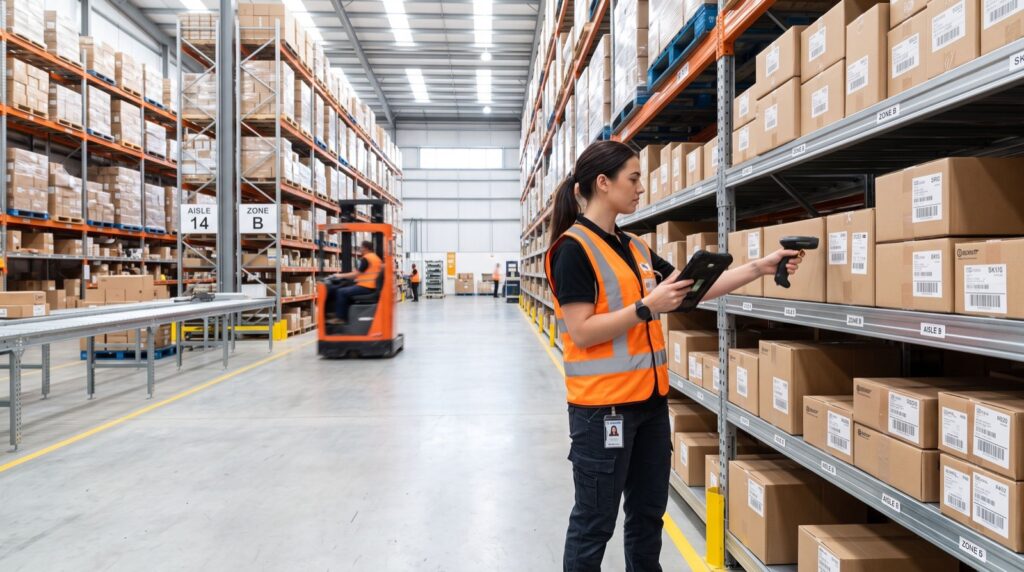
- Inventory systems: Barcode or RFID tracking with real-time visibility prevents lost stock.
- Security: CCTV, access control, and fire suppression protect against theft and damage.
- Scalability: Flexible space lets you grow during peak seasons without a new contract.
- Compliance: Food and consumer goods should be handled per recognised standards.
When you need help setting up or auditing a facility, lean on trusted professionals who understand both warehousing and the realities of moving stock across the Gulf.
For food-grade operations, align your storage with the national regulator. You can review handling and storage expectations on the Saudi Food and Drug Authority website before signing any agreement.
Why humidity control is the hidden factor
Temperature gets all the attention, but humidity quietly ruins ambient stock. In coastal cities like Jeddah and Dammam, moist air can creep into packaging, swell cardboard, and spoil hygroscopic products such as sugar, flour, and salt.
A well-run ambient warehouse manages relative humidity below roughly 60%, often using dehumidifiers and good airflow. That single control saves far more stock than most operators expect.
Why does ambient storage save money in Saudi Arabia?
Ambient storage avoids the heavy energy bills of refrigeration while still protecting goods from the harsh outdoor climate. Cooling and freezing consume large amounts of electricity around the clock, and in a hot country that cost compounds fast.
By placing only the SKUs that truly need cold into chilled or frozen zones, and keeping everything else in ambient, businesses typically cut storage energy costs significantly. The savings come from three places:
- Lower electricity use per pallet compared with refrigerated space
- Reduced spoilage because goods are matched to the right environment
- Simpler handling and faster picking in open, room-temperature aisles
One practical tip from the warehouse floor: audit your SKU list every quarter. Teams often discover items sitting in expensive chilled space that are perfectly stable in ambient, freeing cold capacity and trimming the monthly bill.
Frequently Asked Questions
What temperature counts as ambient storage?
Ambient storage generally means a controlled range of about 15°C to 25°C. The exact target depends on the products stored, but the key is stability, avoiding the extreme heat and humidity found outdoors in Saudi Arabia.
Is ambient storage safe for food products?
Yes, for shelf-stable and dry foods such as canned goods, grains, and packaged items. Perishable foods that need cold should go into chilled or frozen storage instead. Always follow labelling and regulatory guidance.
How is ambient storage different from dry storage?
Ambient storage focuses on controlling temperature at room level, while dry storage adds a strong emphasis on low humidity. Many facilities combine both to protect moisture-sensitive goods like powders, paper, and packaged dry foods.
Can I mix ambient and cold storage with one provider?
Absolutely. Leading warehouses offer ambient, chilled, and frozen zones under one roof, so you can store a full catalogue efficiently and move stock between zones as demand changes.
Ambient storage and the e-commerce boom
Saudi e-commerce continues to accelerate under Vision 2030, and ambient warehousing sits right at the centre of that growth. Most online orders, from electronics to packaged consumables, ship from ambient space because it offers the fastest, cheapest path from shelf to doorstep.
For online sellers, the warehouse is effectively the fulfilment engine. Speed of picking, accuracy of inventory, and proximity to customers decide whether an order arrives next day or next week. Ambient facilities with modern inventory systems make high-volume, low-error fulfilment possible.
Three ambient features matter most for e-commerce operators:
- Zoned layouts that place best-sellers near packing stations for quicker dispatch.
- Real-time stock visibility so your website never sells what you cannot ship.
- Returns handling space to inspect, restock, or quarantine returned goods efficiently.
As order volumes grow, the right ambient setup scales with you, absorbing seasonal spikes without forcing a costly move to a new building.
Conclusion
Reliable Ambient Storage in Saudi Arabia is the cost-effective backbone of nearly every supply chain in the Kingdom. By understanding what ambient conditions protect, matching each product to the right zone, and choosing a facility with real climate and humidity control, you safeguard your stock and your budget. Review your catalogue, question any item sitting in needless cold, and partner with a warehousing specialist who can scale with your business through 2026 and beyond.