Queue Management Systems in Saudi Arabia: A 2026 Guide
Saudi Arabia’s retail and quick-service restaurant sector is growing faster than most operators can staff for. A modern queue management system in saudi arabia is quickly becoming the difference between a storefront that scales smoothly and one that loses customers to long lines. This guide walks through what these systems do, how they pair with drive-thru technology, and what to check before you buy in 2026.
The Rise of Smart Queuing in Saudi Arabia’s Retail Boom
Riyadh, Jeddah, and Dammam have all seen a wave of new malls, QSR chains, and government service centers open since 2023. Each one faces the same operational problem: too many people arriving in short bursts, especially around prayer times and weekend evenings.
A ticket-based or mobile queuing setup solves this by giving customers a number, an estimated wait, and the freedom to browse instead of stand in a line. Staff get a live dashboard showing how many people are waiting and how long service is taking at each counter.
This is no longer a “nice to have.” Saudi Vision 2030‘s push toward modernized retail and government service delivery has made digital customer flow management close to a baseline expectation in urban centers.
Franchise groups expanding into secondary cities like Abha and Tabuk are finding that customers there now expect the same wait-time transparency they experienced in Riyadh or Jeddah outlets. A brand that cannot deliver a consistent experience across branches risks uneven reviews, which hurts the whole chain’s reputation rather than just the slower location.
From Ambient Storage to the Front Counter: Why Operations Matter Together
Most buyers research storage, refrigeration, and shelving long before they think about the counter experience. That is a mistake. A kitchen that cannot restock fast enough will slow the front counter no matter how good the queuing software is.
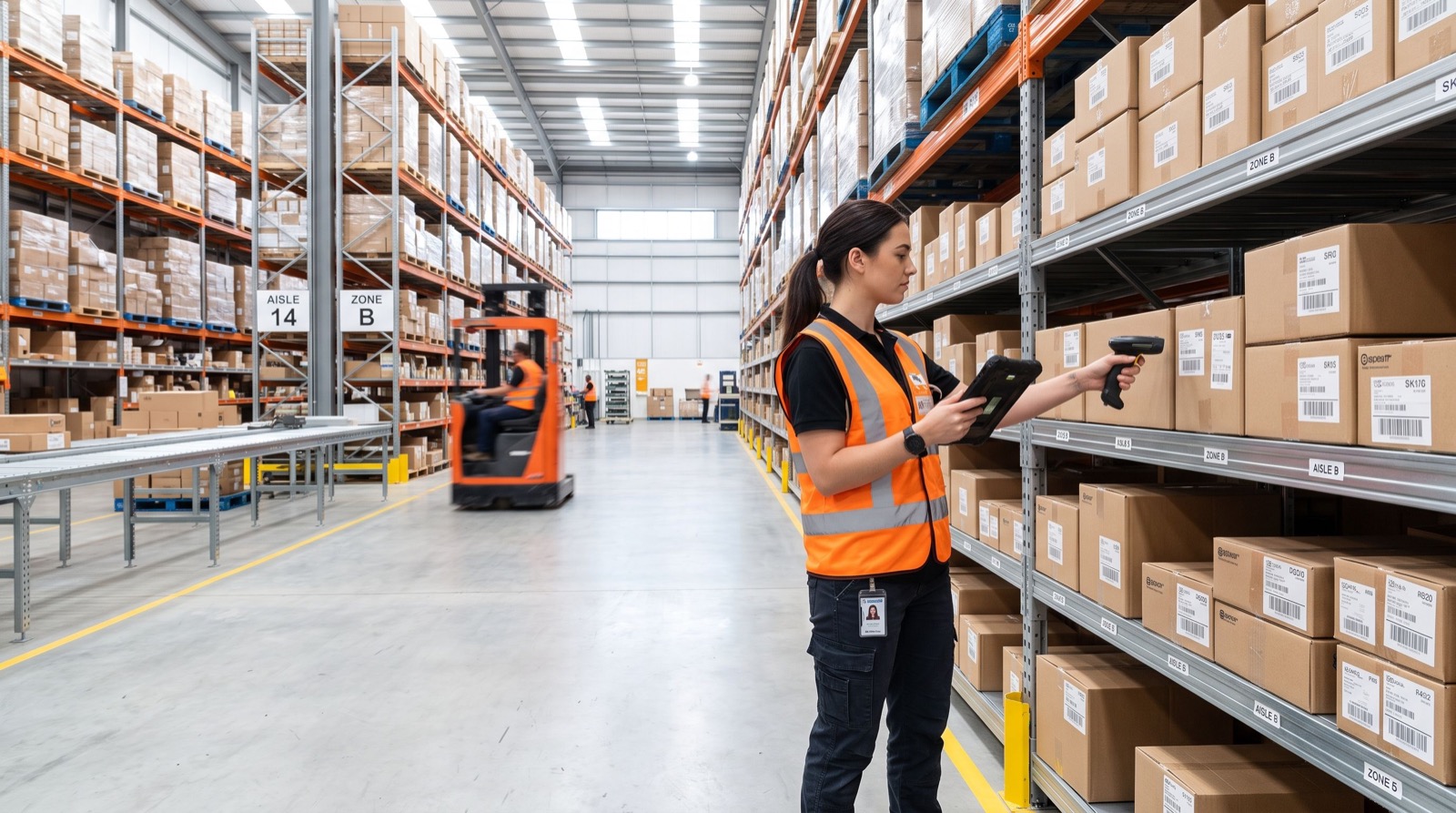
If you are still mapping out your back-of-house setup, it is worth reading alongside a solid ambient storage plan, since the two systems directly affect each other. Many operators bring in dependable specialists to align storage layout with projected customer flow before opening day, rather than retrofitting later.
Think of it as one operation with two visible halves: what happens in the back determines how fast the front can move.
How Does a Queue Management System Actually Work?
At its core, a queue system has three parts working together.
Hardware Components
- Ticket kiosks or QR-based check-in points at the entrance
- Display screens showing current ticket numbers and counter status
- Counter-side call buttons for staff to summon the next customer
Software and Analytics
The software layer logs every wait time, service duration, and abandonment, then turns that into reports. Managers use this data to decide when to open a second counter, adjust staffing on Thursday evenings, or flag a location that consistently runs slow.
Some setups now connect to SMS or WhatsApp, letting customers wait off-site and get notified when their turn is close. This single change has measurably cut in-store crowding at several Riyadh retail locations in 2026.
Drive-Thru Technology: The Other Half of the Customer Journey
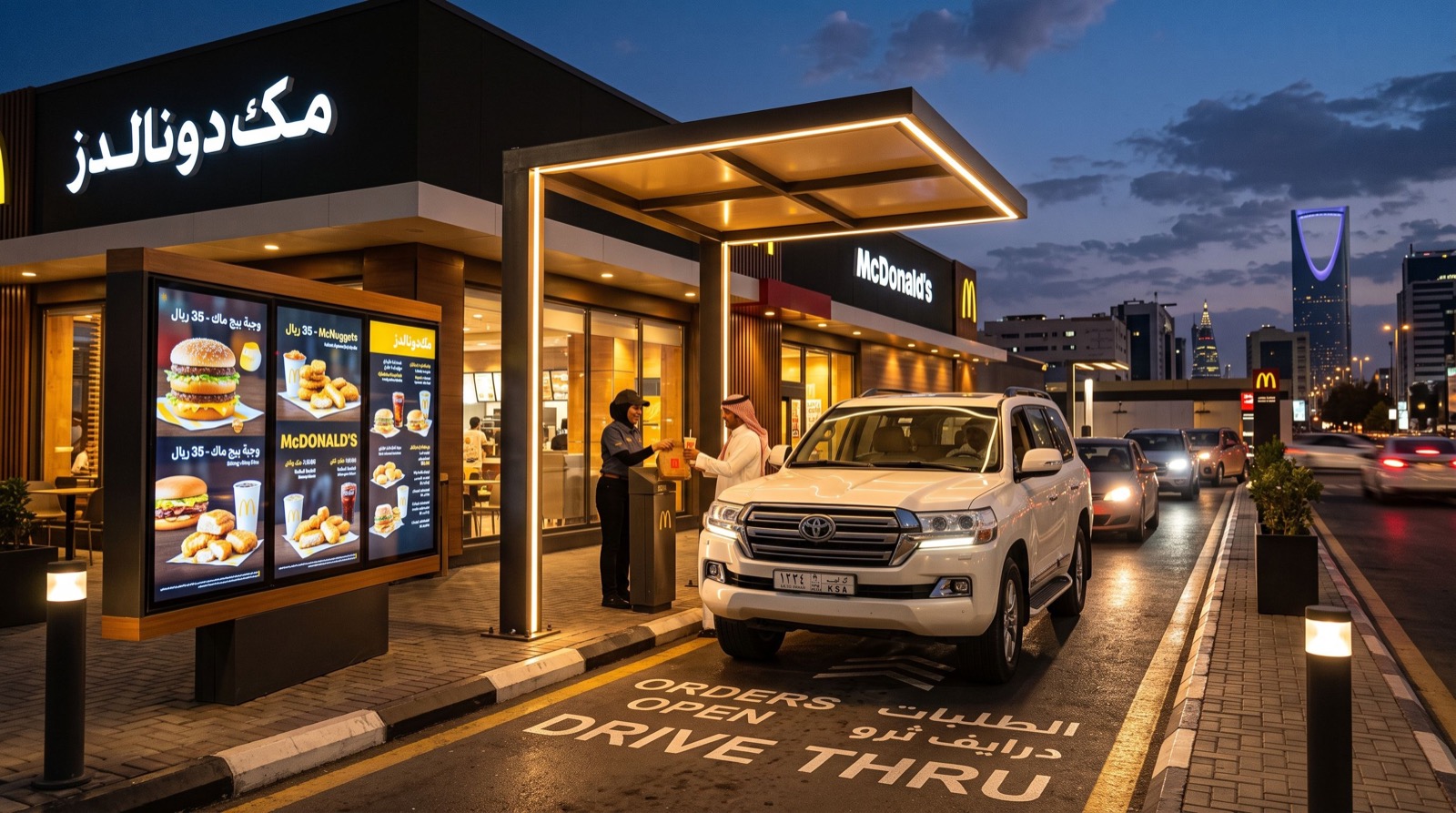
For QSR brands, the drive-thru lane is often the busiest single touchpoint in the business. A well-tuned PAR Drive Thru in Saudi Arabia setup pairs digital order boards, timer-based performance tracking, and headset communication so kitchen staff hear orders clearly over traffic noise and air conditioning units.
Drive-thru speed is one of the most tracked metrics in the QSR industry worldwide, and Saudi franchise operators increasingly benchmark their lane times against international averages rather than regional ones.
Combining drive-thru timing data with indoor queue analytics gives an operator a complete picture: where customers wait, how long, and which channel needs attention first.
What Should Saudi Retailers Look for in 2026?
Not every business needs the same setup. Here is a quick comparison to help narrow the decision.
| Business Type | Recommended Setup | Priority Feature |
|---|---|---|
| Government service center | Ticket kiosk + multi-counter dashboard | Reporting for SLA compliance |
| Retail mall outlet | Mobile check-in + SMS alerts | Reduced in-store crowding |
| QSR with drive-thru | Drive-thru timer + headset system | Order accuracy and lane speed |
| Bank branch | Priority queuing by service type | Customer segmentation |
Operators evaluating vendors should ask for a live demo under real foot-traffic conditions, not just a showroom walkthrough. The way a system behaves at 40 people waiting looks nothing like a quiet demo room.
It also pays to ask vendors how their hardware holds up against dust and heat, since outdoor kiosks and drive-thru boards in the Eastern Province face harsher conditions than an air-conditioned mall corridor. A unit rated for milder climates can fail within a single summer, turning a one-time purchase into a recurring repair cost.
Practical Tips for a Smooth Rollout
- Pilot the system in your busiest branch first, not your quietest one.
- Train staff on the escalation process for when a counter runs behind.
- Review wait-time reports weekly for the first two months, then monthly after.
- Keep a manual backup process for the rare network outage.
These steps sound basic, but skipping them is the most common reason a rollout underperforms in its first quarter.
It also helps to assign one staff member as the system owner during the first month. That person tracks early complaints, flags recurring glitches to the vendor, and becomes the go-to trainer for new hires. Rollouts without a clear owner tend to drift back toward old habits within a few weeks.
Frequently Asked Questions
How much does a queue management system cost in Saudi Arabia?
Pricing varies by number of counters, display screens, and whether you need SMS integration. A single-location retail setup typically costs far less than a multi-branch rollout with centralized reporting, so it is worth getting a scoped quote rather than a generic price list.
Can queue systems integrate with existing POS software?
Most modern systems offer API integration with common POS platforms, allowing wait-time data to sync with sales data for better staffing decisions. Confirm compatibility with your specific POS vendor before purchasing.
Do drive-thru systems work during Saudi Arabia’s hot summer months?
Yes, but hardware should be rated for high ambient temperatures. Order boards and headset base stations placed outdoors need weatherproof housings, and vendors familiar with the Gulf climate usually spec this correctly from the start.
Is a queue system worth it for a single small branch?
Even single-branch operators benefit from basic ticketing and wait-time visibility, since it reduces walkouts and gives staff clear priorities during rush periods. The Saudi Food and Drug Authority also publishes storage and service guidance that larger single-branch operators should keep on hand when planning layout changes. The return on investment tends to show up within the first few busy weekends.
Conclusion
Customer flow and back-of-house storage are two sides of the same operation, and treating them separately is how wait times creep up unnoticed. Whether you are opening a new retail counter or upgrading a drive-thru lane in 2026, start by mapping your actual peak-hour traffic, then match hardware and software to that reality rather than a generic package. If you are planning a new location, review your storage and operational setup early, and talk to a specialist who can walk through both the front-of-house and back-of-house pieces together before you commit to equipment.